

The Journey to Becoming a US Navy SEAL: Surviving BUDs and Hell Week
- Rick Tippins
- Nov 17, 2025
- 3 min read

Becoming a US Navy SEAL is one of the toughest challenges in the military world. The path demands more than physical strength; it requires mental toughness, resilience, and an unshakable commitment. The most grueling part of this journey is Basic Underwater Demolition/SEAL training, commonly known as BUDs, and the infamous Hell Week. These phases test candidates beyond limits, pushing them to the edge and beyond. For fans of military thriller books or science fiction stories featuring elite warriors, the reality of becoming a SEAL is an intense adventure that rivals any fictional tale.
What It Takes to Start the Journey

Before even stepping into BUDs, candidates must meet strict physical and mental standards. The Navy requires a minimum score on the Physical Screening Test (PST), which includes:
500-yard swim in under 12 minutes and 30 seconds
At least 50 push-ups in 2 minutes
At least 50 sit-ups in 2 minutes
At least 10 pull-ups (no time limit)
1.5-mile run in under 11 minutes and 30 seconds
These numbers are just the baseline. Many candidates train to exceed them by a wide margin. The Navy also evaluates mental readiness, including the ability to handle stress and work as part of a team. This preparation is crucial because BUDs will push every candidate to their breaking point.
The Structure of BUDs Training
BUDs lasts about 24 weeks and is divided into three phases:
First Phase: Physical Conditioning

This phase focuses on building endurance, strength, and water skills. Candidates face long runs on the beach, intense swimming sessions, obstacle courses, and timed physical tests. The infamous "surf torture" involves standing in cold ocean water while instructors shout orders, testing mental endurance.
Second Phase: Combat Diving

Candidates learn to use scuba gear and conduct underwater missions. This phase demands precision and calm under pressure, skills essential for real SEAL operations.
Third Phase: Land Warfare
This phase trains candidates in weapons handling, demolitions, small unit tactics, and navigation. It prepares them for the combat scenarios they will face in the field.
Each phase is designed to build on the last, increasing in difficulty and complexity. The training is relentless, and many candidates drop out or are removed for failing to meet standards.
Hell Week: The Ultimate Test

Hell Week happens during the first phase of BUDs and lasts about five and a half days. It is the most notorious part of SEAL training. Candidates get less than four hours of sleep total during this period while facing continuous physical and mental challenges.
During Hell Week, candidates:
Run more than 200 miles
Swim in freezing water multiple times
Carry heavy logs and boats over long distances
Perform endless calisthenics and obstacle courses
Endure cold, wet, and exhausting conditions
The goal is to break down candidates physically and mentally to see who can keep going despite extreme fatigue and pain. Many drop out during Hell Week, but those who finish prove they have the grit and determination to become SEALs.
Mental Strength and Teamwork
Physical ability alone does not guarantee success. Candidates must develop mental toughness to push through pain and exhaustion. They learn to control their breathing, stay focused, and support their teammates. The SEAL ethos emphasizes that no one succeeds alone. Teamwork is critical, and candidates quickly learn to rely on each other.
This mental resilience is what separates SEALs from others. It is a quality often explored in military thriller books and science fiction, where characters face impossible odds but find strength in their will and comradeship.
The Role of Reading and Learning
While BUDs is physically demanding, intellectual growth is also important. Candidates spend time reading manuals and learning tactics, navigation, and survival skills. For those who enjoy reading, this aspect can be a welcome break from physical strain and a way to prepare for the complex missions ahead.
Many SEALs continue to read military thriller books and science fiction during downtime, drawing inspiration from stories of courage and adventure. This blend of physical challenge and intellectual engagement makes the SEAL journey unique.
What Happens After BUDs
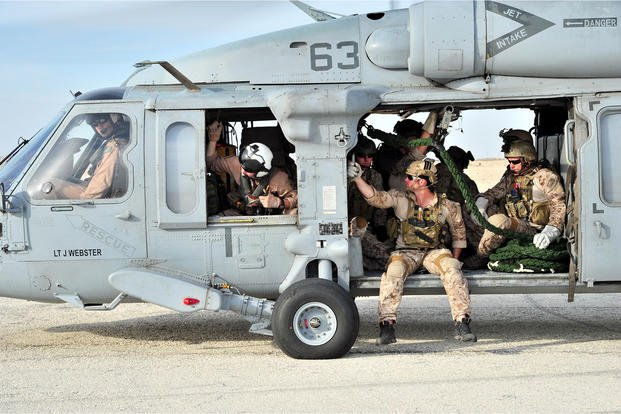
Graduating from BUDs is just the beginning. New SEALs enter advanced training and then join operational teams. The skills learned during BUDs and Hell Week form the foundation for a career filled with high-risk missions and continuous learning.

The journey to becoming a SEAL is not for everyone. It demands sacrifice, discipline, and a willingness to face the unknown. But for those who make it, the experience is a profound adventure that shapes their lives forever.


Comments